
We cannot Ctrl+Alt+Delete Violence
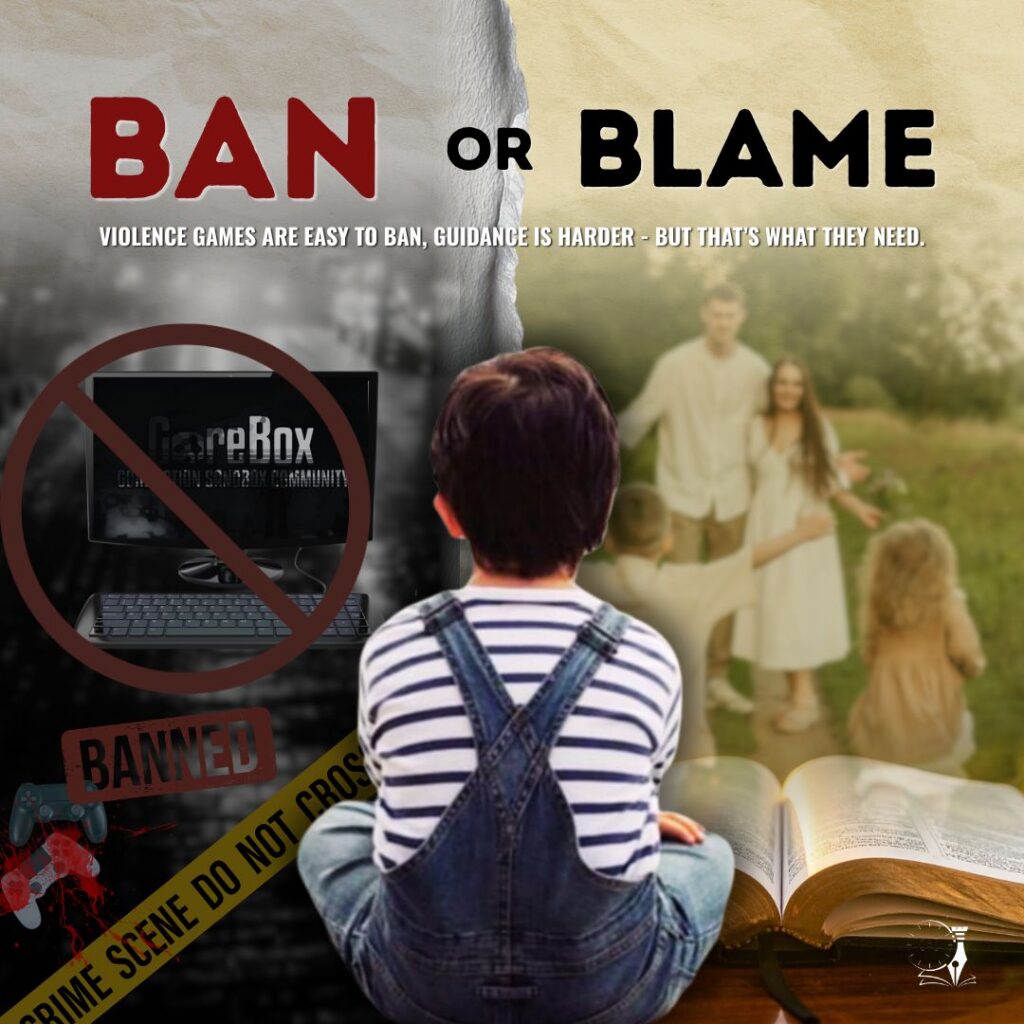
𝑪𝒂𝒏 𝒃𝒂𝒏𝒏𝒊𝒏𝒈 𝒐𝒏𝒆 𝒈𝒂𝒎𝒆 𝒓𝒆𝒂𝒍𝒍𝒚 𝒔𝒕𝒐𝒑 𝒗𝒊𝒐𝒍𝒆𝒏𝒄𝒆? Not by itself. While violent games may influence some individuals, they are not the sole reason people commit violent acts. The recent school shooting in Tacloban City left the nation grieving and searching for answers. In response, authorities temporarily blocked GoreBox while investigating whether the game had influenced one of the suspects. The move immediately sparked public debate. Many viewed it as a necessary step, while others questioned whether banning a single game truly addresses the roots of violence. There is no denying that violent games can affect thoughts and behavior, particularly among young players without proper guidance. That is why age restrictions, parental supervision, and responsible gaming are important. However, influence is not the same as direct cause. Millions of people have spent years playing games like Grand Theft Auto or Mortal Kombat. Players commit fictional crimes or engage in fantasy combat, yet the vast majority never imitate those actions in real life. They understand that games are entertainment, not instructions. The same idea applies to everyday tools. A kitchen knife is made for preparing meals, but it can also be used to harm someone. We do not ban every knife because of a crime. Instead, we hold the person accountable for how it was used. The same principle should guide discussions about video games. If violent games are to blame, where should the line be drawn? Should violent films, television shows, or books also be banned? Violence existed long before video games, proving that its roots run much deeper than digital entertainment. More importantly, why do discussions often focus on violent games while other harmful influences, such as online gambling, cyber scams, and harmful digital content, remain widely accessible? If the goal is to protect young people, policies should be consistent and based on evidence, not public pressure. Real solutions require more than banning a game. Better mental health support, stronger anti-bullying programs, responsible parenting, proper enforcement of age ratings, and preventing unauthorized access to weapons deserve equal attention. The Tacloban tragedy deserves more than a quick response. It deserves lasting solutions. Violence cannot be eliminated by uninstalling one game. It is prevented by addressing the deeper issues that shape human behavior and by building communities that educate, guide, and protect. – Mane Monteza Talibong 𝐃𝐢𝐬𝐜𝐥𝐚𝐢𝐦𝐞𝐫: The views and opinions expressed in this column are solely those of the writer and do not necessarily reflect the official stance of the publication, its editors, the institution, or any affiliated organization.